From Genre-Bending Beginnings to a Westeros-Sized Fortune
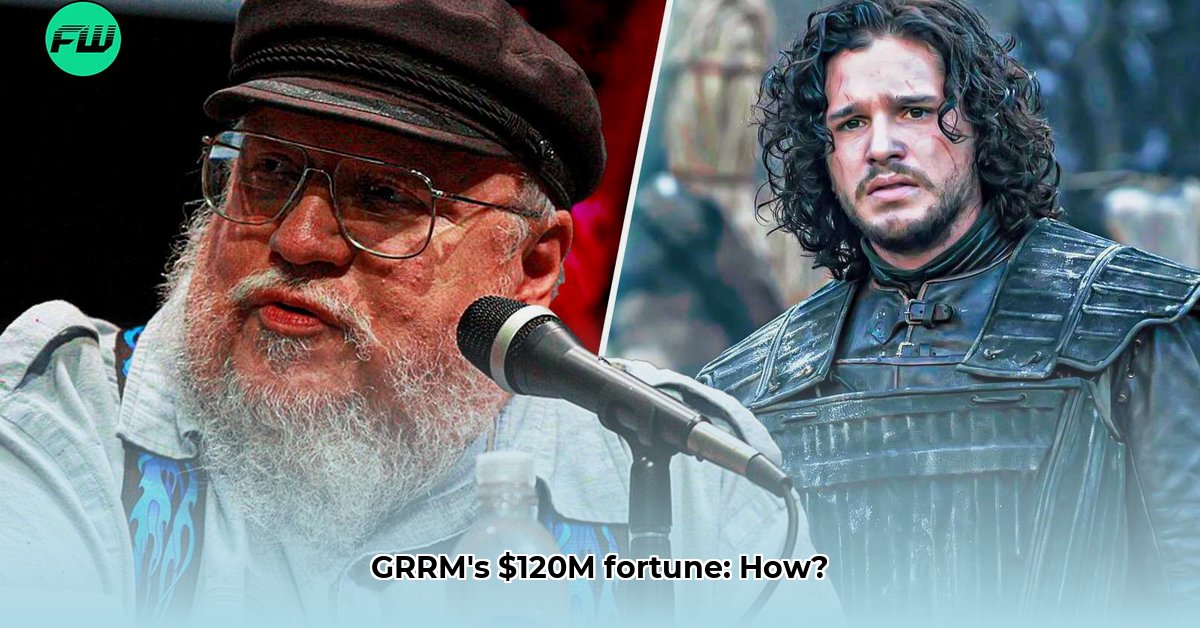
George R.R. Martin, the name synonymous with epic fantasy and the sprawling world of Westeros, boasts an estimated net worth of $120 million. This isn't merely a figure; it represents the culmination of decades of dedicated writing, astute business decisions, and the phenomenal success of A Song of Ice and Fire and its television adaptation, Game of Thrones. But how did a fantasy author amass such a considerable fortune? Let's explore the journey.
Early Career and Literary Success: Laying the Foundation
Before dragons dominated our screens and the Iron Throne became a global phenomenon, George R.R. Martin was meticulously crafting his unique voice in science fiction and fantasy. Years were spent honing his skills, writing short stories and novels that attracted a devoted following. These early works, often blending genres and experimenting with narrative styles, weren't just precursors to his future triumphs—they were the foundation upon which his empire was built. He consistently built a reputation as a skilled and inventive author, earning critical acclaim and a loyal fanbase. This early success was crucial for his later, monumental achievements. How many aspiring authors can boast such a strong foundation?
The Game of Thrones Phenomenon: A Cultural Tsunami and its Financial Impact
The A Song of Ice and Fire book series was a monumental success in itself, but the HBO adaptation, Game of Thrones, exponentially amplified Martin's wealth. The show became a global cultural phenomenon, with its impact extending far beyond simple entertainment. Martin's financial gains from the series are estimated to be in the hundreds of millions of dollars. This includes hefty upfront payments, substantial royalties, and lucrative residuals from the show's continued syndication and streaming success. This is a prime example of how a successful adaptation can dramatically increase an author's overall earnings. Could any other fantasy series boast such a financial impact?
Beyond immediate financial gains, Game of Thrones significantly increased the value of Martin's intellectual property. The show’s global reach boosted book sales and broadened his audience, creating a virtuous cycle of continued income generation.
Other Revenue Streams: Diversifying the Westerosi Empire
Martin's financial success extends beyond Game of Thrones. His extensive body of work, including earlier novels and short stories, continues to generate royalties and sales. Furthermore, the franchise's immense popularity spawned a lucrative merchandise market, broadening his revenue streams even further. From books and apparel to figurines and collectibles, the high demand for Game of Thrones and A Song of Ice and Fire related items provided another significant income source, demonstrating savvy business decisions in leveraging intellectual property. This diversification mitigates financial risks inherent in relying on a single work or adaptation. How many authors successfully diversify their intellectual property in such a lucrative way?
The success of spin-offs such as House of the Dragon represent yet another significant avenue for future financial gains. Future projects in the same universe hold the promise of continued substantial returns for years to come.
The Delayed A Song of Ice and Fire Conclusion: A Complex Factor
The anticipated completion of the A Song of Ice and Fire series presents a multifaceted issue. While the delay undoubtedly generates significant anticipation, maintaining public interest and bolstering book sales, it also raises questions about the potential impact on overall earnings. The impact remains difficult to quantify conclusively, as a completed series might have indeed yielded a distinct financial trajectory. However, continued anticipation ensures Martin retains considerable cultural relevance and leverages immense value of his extant work.
Financial Acumen and Long-Term Strategy
While details of Martin's personal financial strategies remain largely private, his financial success speaks to his business acumen. He capitalized skillfully on his work's global appeal, securing substantial returns from its various media forms. His longevity and consistent output of quality work shows a long-term strategic approach to wealth building. This strategic approach has positioned him for enduring financial success.
Conclusion: A Lasting Legacy and Future Potential
George R.R. Martin's $120 million net worth is a testament to his creative genius, astute business sense, and the enduring global appeal of his work. His success story is a compelling example of how talent, hard work, and strategic decision-making can translate into immense financial rewards. The future of his net worth remains unwritten, but his consistent popularity and the potential for future adaptations point towards continued substantial financial success for years to come. His legacy transcends mere wealth; it encompasses a remarkable contribution made to fantasy literature and popular culture.